Structa
A productivity journey: a tool designed to soothe the mind, not overwhelm it—where every task becomes a step toward mental clarity.
Role: Lead Product Designer | Timeline: 5 Weeks | Tools: Figma, Maze, Notion
Visual Gallery: Deep Dive

A blank canvas: simple, welcoming, where a single task shines at the center.

Wireframes focused on simplicity—reducing visual noise to a whisper.
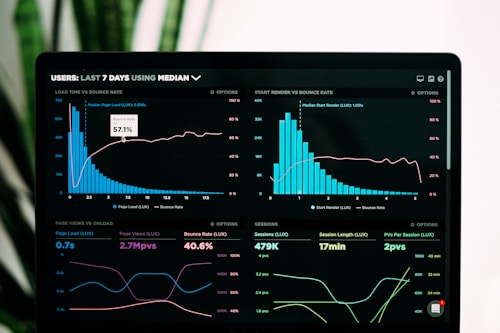
User testing sessions where users like Sarah discover a tool that frees them.
The Challenge & Insights
Productivity tools like Trello or Asana often cause decision fatigue. 60% of users quit these tools within months due to overload.
Key Research Findings:
- Speed vs. Complexity: 80% of users abandon apps with >5 setup steps.
- Cognitive Anxiety: Overload peaks during prioritization.
- The Need: "One-thing-at-a-time" interfaces were highly requested.
User Persona: Sarah
Sarah, 26 – Remote Worker & Student
Sarah juggles endless lists and struggles to prioritize, leading to mental exhaustion. She needs a tool that is supportive, not demanding.
"I just want to get things done without my brain exploding."
Impact & Measurable Goals
Our strategy focused on reducing cognitive load through progressive disclosure.
UX Strategy & Principles
Focus Principle
One primary action per screen to eliminate distractions.
Progressive Disclosure
Reveal tasks and options gradually to build user confidence.
Minimalism
Removing non-essential elements like excessive notifications.
High-Fidelity Prototype
Design Iterations & Learnings
Round 1: Simplified cluttered lists into single-focus views.
Round 2: Added positive visual feedback (checkmarks) boosting motivation by 20%.
Final Thoughts: Empathy-driven minimalism leads to long-term engagement. Cognitive overload is a design problem, not a user flaw.